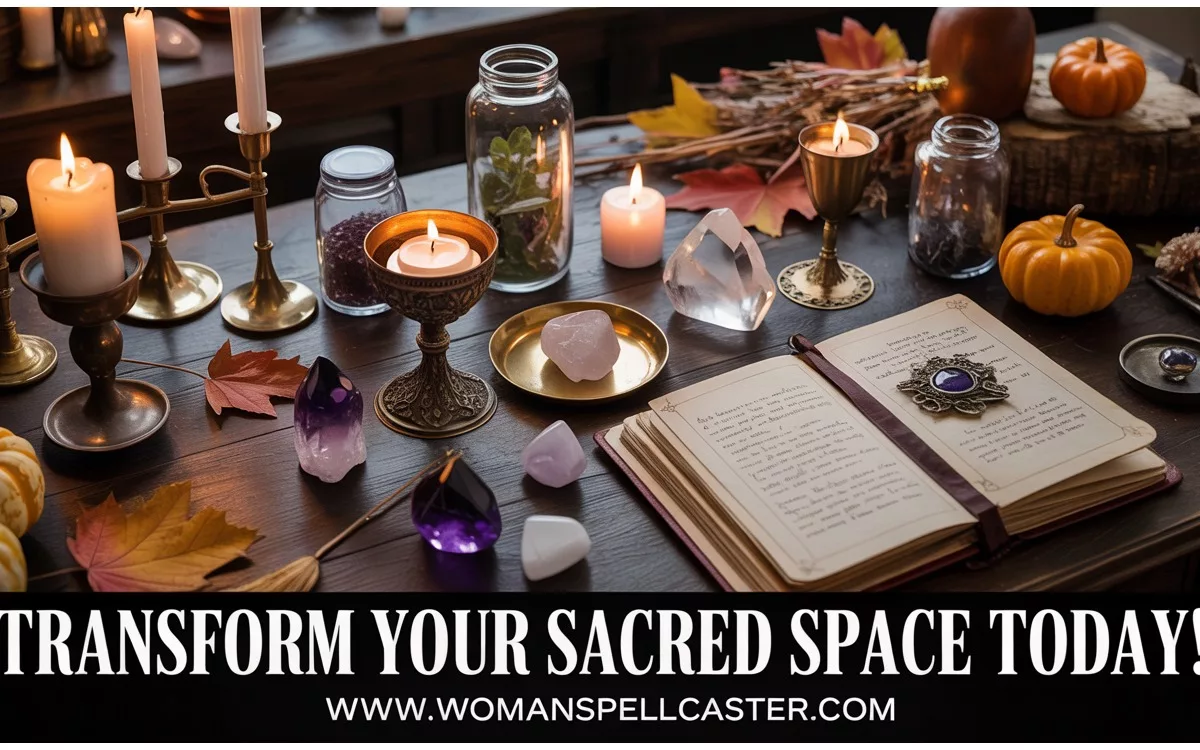
Unveiling the Magic of a Witchcraft Altar
In the ever-evolving world of modern witchcraft, a witchcraft altar stands as a sacred cornerstone—a personal portal to spiritual energy, intention-setting, and magical practice. Whether you’re a seasoned practitioner or a beginner exploring spiritual altars for beginners, setting up a witchcraft altar can transform your daily life, fostering connection with the divine, nature, and your inner self. As we step into 2026, trends in witchcraft altars emphasize personalization, sustainability, and discreet designs for urban living, drawing from ancient traditions like Wicca, Paganism, and eclectic witchcraft.
A witchcraft altar isn’t just a collection of items; it’s a living space that evolves with your practice. From witchcraft altar ideas inspired by the elements to witchcraft altar aesthetic choices that reflect your personality, this guide provides essential tips to create a powerful setup. We’ll cover everything from basic witchcraft altar setup to advanced witchcraft altar inspiration, including witchcraft altar ideas small space solutions and witchcraft altar dark themes. If witchcraft feels overwhelming, consider alternatives like the Devine Prayer program, a gentle spiritual practice for manifesting intentions without ritual elements.
For deeper astrological alignment in your altar work, a personalized Moon Reading can reveal optimal times for setup and rituals, enhancing your magical efficacy.

What Makes an Altar Powerful? Harnessing Energy in Witchcraft Altars
One of the top “People Also Ask” questions is: What makes an altar powerful? The power of a witchcraft altar lies in its intention, personalization, and regular use. According to practitioners, an altar becomes potent when it serves as a focal point for energy channeling—think of it as a battery that charges with your rituals, meditations, and offerings. Factors include:
- Intentional Placement: Position your altar in a quiet, sacred spot facing north (for earth energy) or east (for new beginnings) to amplify its vibrations.
- Regular Interaction: Tending to your altar daily—through cleansing with sage or adding fresh elements—builds its spiritual charge.
- Symbolic Resonance: Items that hold personal meaning, like heirlooms or found objects, infuse the space with authentic power.
- Energetic Cleansing: Use sound (bells), smoke (incense), or visualization to clear stagnant energy, making the altar a conduit for manifestation.
In 2026, eco-conscious witches are incorporating sustainable materials, like recycled wood for witchcraft altar tables, to align with earth-honoring practices. This not only boosts power but also connects you to global environmental magic.
Testimonial: “My witchcraft altar started as a simple shelf, but after intentional setup, it became my powerhouse for spells. Last year, I manifested a career shift—pure magic!” – Elena M., 29, Urban Witch from New York.
Important link: For more on altar energetics, visit We’Moon’s Guide to Altars.
What Does a Witch’s Altar Look Like? Visualizing Witchcraft Altar Aesthetics
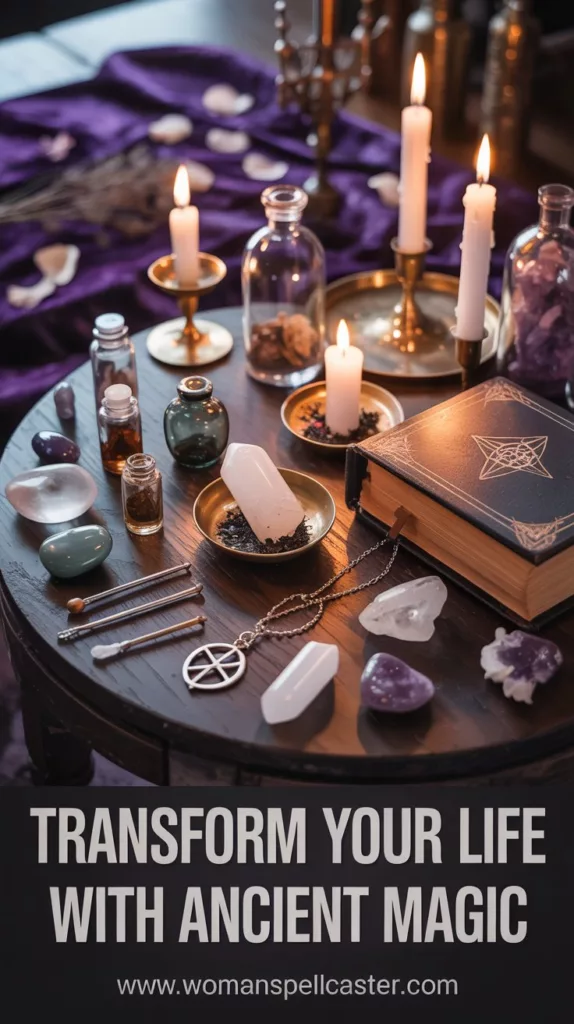
Curious about What does a witch’s altar look like? A typical witchcraft altar is a harmonious blend of functionality and beauty, often featuring layers of symbolism. It might include a central cloth (altar cloth) in colors like black for protection or green for abundance, adorned with tools and talismans. Aesthetics vary widely:
- Classic Wiccan Style: Symmetrical with elemental representations—bowl of salt (earth), feather (air), candle (fire), shell (water).
- Eclectic Modern Look: Incorporate crystals, tarot cards, and personal artifacts for a vibrant, witchcraft altar aesthetic.
- Dark Aesthetic: For witchcraft altar dark themes, use black candles, obsidian stones, and moon-phase decor to evoke mystery and shadow work.
Size doesn’t matter; even a windowsill can host a potent altar. In bedrooms, opt for subtle witchcraft altar ideas bedroom setups to promote restful energy.
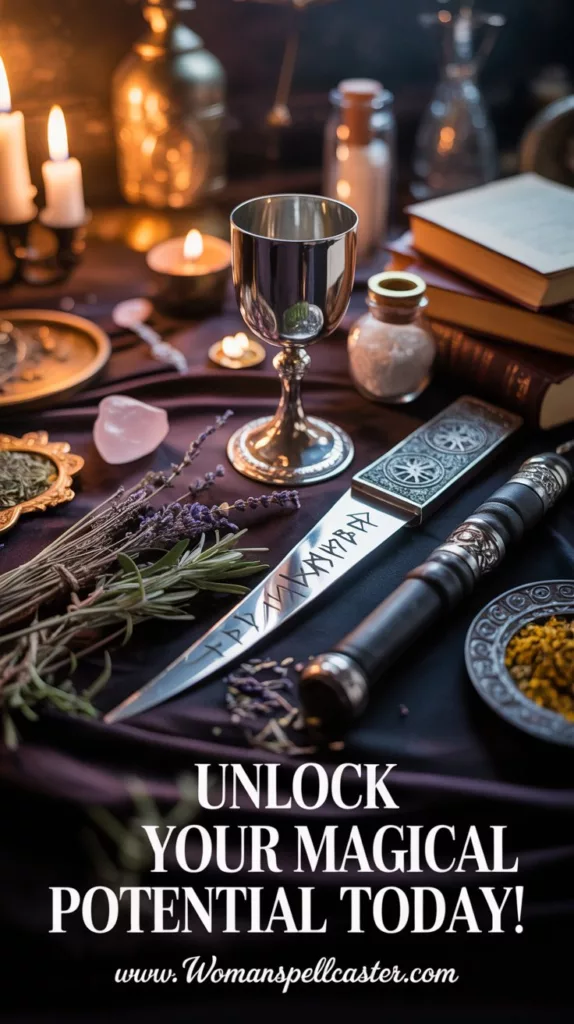
How to Set Up a Witchcraft Altar
Step-by-step guide to creating a powerful witchcraft altar for beginners.
Total Time: 30 minutes
Step 1:
Choose a quiet space and cleanse it with sage or salt.
Step 2:
Gather elemental items: salt (Earth), incense (Air), candle (Fire), water bowl (Water).
Step 3:
Add personal touches like crystals, statues, and intentions.
Step 4:
Add personal touches like crystals, statues, and intentions.
Supply:
- Altar cloth and tools
Tools:
- Athame or wand
What Are the 4 Elements of the Altar? Building a Balanced Witchcraft Altar Setup
Addressing another key query: What are the 4 elements of the altar? In witchcraft, the four elements—Earth, Air, Fire, and Water—are foundational, representing balance in nature and self. Integrate them into your witchcraft altar setup for harmony:
- Earth: Represented by a pentacle, salt, or crystals like quartz. Grounds energy and symbolizes stability.
- Air: Incense, feathers, or bells. Invokes intellect, communication, and wind spirits.
- Fire: Candles or a cauldron. Sparks transformation, passion, and willpower.
- Water: Chalice, shells, or a bowl of water. Channels emotions, intuition, and healing.
Many witches add a fifth element, Spirit, via a central deity statue or personal sigil. For beginners making an altar witchcraft, start with affordable items from a witchcraft altar kit—pre-packaged sets often include these elemental basics.
Testimonial: “Incorporating the four elements into my witchcraft altar balanced my chaotic life. Now, my meditations flow effortlessly!” – Jordan T., 35, Green Witch from Seattle.
What Are the Types of Spiritual Altars? Exploring Diversity in Witchcraft Altars
From “People Also Ask”: What are the types of spiritual altars? Witchcraft embraces various types of spiritual altars, each tailored to specific intentions. Here are key types:
- Ancestral Altar: Honors forebears with photos, heirlooms, and offerings like food or flowers. Ideal for shadow work and lineage healing.
- Deity-Specific Altar: Such as a witchcraft altar Hecate, featuring keys, torches, and black dogs for the goddess of crossroads and magic. Use garlic, yew, or cypress for authenticity.
- Prosperity Altar: Focuses on abundance with green candles, coins, and herbs like basil. Great for financial spells.
- Healing Altar: Blue or white elements, amethyst crystals, and lavender for emotional or physical wellness.
- Elemental Altar: Dedicated to one element, e.g., a fire altar with red decor for passion projects.
- Seasonal Altar: Rotates with sabbats like Mabon, using autumn leaves or harvest symbols.
For eclectic witches, combine types—perhaps a prosperity corner within a Hecate altar.
Important link: Learn about altar varieties at Original Botanica’s Blog.
Witchcraft Altar Ideas for Small Spaces: Maximizing Magic in Compact Areas
Limited room? Witchcraft altar ideas small space abound in 2026, with discreet and portable options rising in popularity. Tips include:
- Shelf or Windowsill Altars: Use a floating shelf for mini setups with travel-sized tools.
- Box Altars: A decorated shoebox that unfolds into an altar—perfect for closets or under beds.
- Vertical Designs: Wall-mounted pockets for herbs and crystals to save floor space.
- Multi-Functional Furniture: A nightstand doubling as a witchcraft altar table in bedrooms.
Incorporate eco-friendly DIY elements, like upcycled jars for storage.

Witchcraft Altar Ideas Bedroom: Creating Sacred Sleep Spaces
For witchcraft altar ideas bedroom, focus on calming energies to enhance dreams and rest. Place near your bed but not directly facing it to avoid overwhelming vibes. Ideas:
- Moon-Themed Aesthetic: Silver decor and moonstone for lunar magic, tied to Moon Readings.
- Protection Focus: Black tourmaline and wards for safe sleep.
- Minimalist Setup: A tray with essentials to keep it tidy.
Testimonial: “My bedroom witchcraft altar turned my space into a sanctuary. Better sleep and vivid dreams followed!” – Sophia L., 42, Dream Witch from London.
Witchcraft Altar Ideas DIY: Crafting Your Own Magical Space
Embrace creativity with witchcraft altar ideas DIY. Start with a basic witchcraft altar table—repurpose a thrift find with paint and sigils. Projects:
- Altar Cloth: Dye fabric with natural herbs for color magic.
- Sigil Tiles: Burn designs into wood for personalized power.
- Herb Bundles: Dry your own smudges for cleansing.
For dark aesthetics, use charcoal drawings or raven feathers.
Witchcraft Altar Inspiration: From Hecate to Dark Themes
Draw witchcraft altar inspiration from deities like Hecate—include crossroads symbols, poisons (safely represented), and triple moon icons. For witchcraft altar dark, incorporate skulls, midnight herbs, and shadow journals for introspective work.
If setup feels complex, let Maama Isabella perform rituals for you—expert guidance for custom altars.
Important link: Explore Hecate altars at Keeping Her Keys.
Essential Witchcraft Altar Items: Building Your Kit
From “People Also Search For”: Key witchcraft altar items include:
- Athame (ritual knife), chalice, wand, pentacle.
- Candles, incense, crystals (e.g., clear quartz).
- Herbs, tarot decks, statues.
Start with a witchcraft altar kit for beginners.
Ethical Considerations and Maintenance in Witchcraft Altar Setup Ideas
Maintain your altar by cleansing weekly and refreshing seasonally. Ethically source items—avoid endangered herbs. For non-witchcraft paths, try Devine Prayer.
Testimonial: “DIYing my altar saved money and deepened my connection. It’s my daily ritual hub!” – Marcus D., 31, Eclectic Witch from Toronto.
Conclusion: Empower Your Practice with a Witchcraft Altar
A witchcraft altar is your gateway to empowered spirituality. Experiment with witchcraft altar setup ideas to find what resonates. Consult Maama Isabella for personalized magic.
Frequently Asked Questions
What makes an altar powerful?
An altar’s power comes from intention, regular use, personalization, and energetic cleansing to channel spiritual forces effectively.
What does a witch’s altar look like?
A witch’s altar features symbolic items like candles, crystals, and tools, arranged aesthetically to reflect personal practice and energy.
What are the 4 elements of the altar?
The four elements are Earth (salt/crystals), Air (incense/feathers), Fire (candles), and Water (chalice/shells) for balanced magic.
What are the types of spiritual altars?
Types include ancestral, deity-specific (e.g., Hecate), prosperity, healing, elemental, and seasonal altars tailored to intentions.