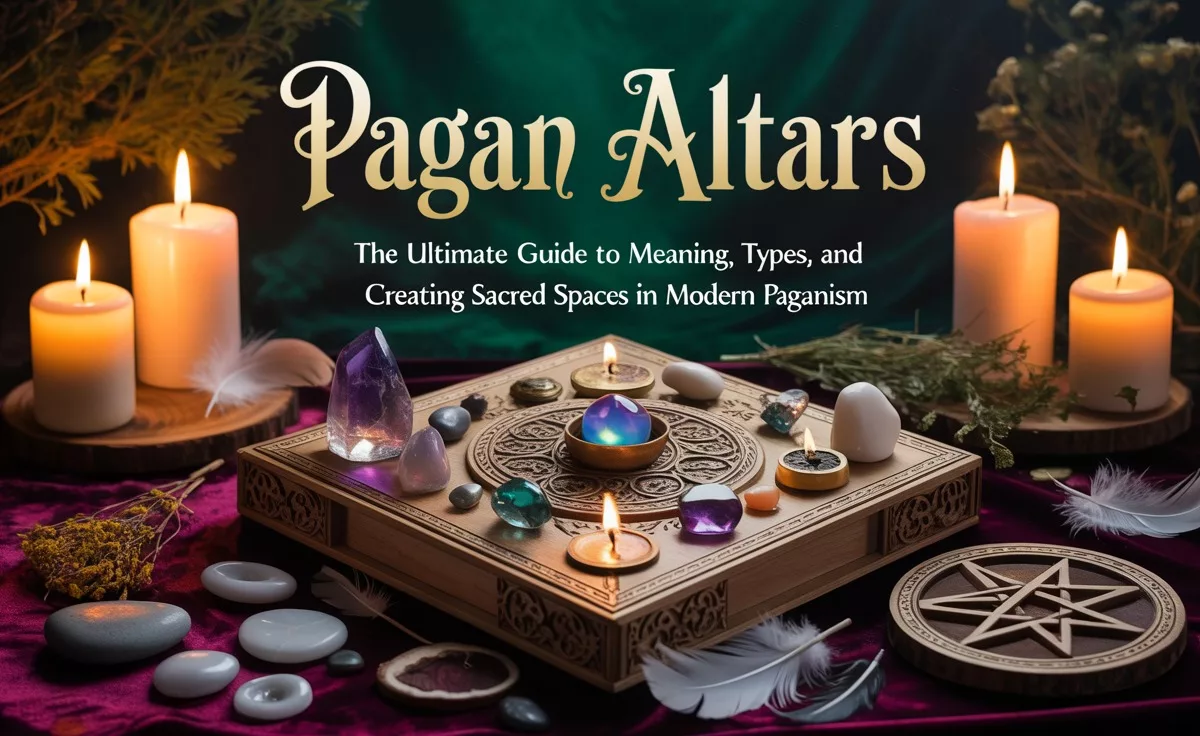
Pagan altars serve as powerful focal points in modern spiritual practice. These sacred spaces connect practitioners to nature, deities, ancestors, and personal energy. Whether you seek a simple pagan altar for daily meditation or an elaborate setup with pagan statues altars, these spaces adapt to individual paths.
This guide covers everything from pagan altars meaning to practical setups. Discover types of spiritual altars, address common questions like “What is a pagan altar?” and “Which direction should a pagan altar face?”, and explore spiritual altars for beginners. We include making an altar witchcraft tips, historical context like pagan altars in the Bible, and unique rituals.
What Is a Pagan Altar? Understanding Pagan Altars Meaning
A pagan altar acts as a dedicated space for worship, meditation, spellwork, and offerings. Rooted in ancient traditions, it serves as a microcosm of the universe where practitioners honor deities, elements, or intentions.
In modern paganism—including Wicca, Druidry, and eclectic paths—altars pagan represent personal sacred spots. They hold tools, symbols, and items that amplify energy. Unlike fixed religious altars, pagan versions evolve with seasons, moon phases, or needs.
What is an altar spiritual? It functions as a bridge between physical and spiritual realms, focusing intention and inviting divine presence.
Historically, pagan altars in the Bible appear as sites for offerings to other gods, contrasting monotheistic worship (e.g., Exodus 20:24-26). Today, they empower personal spirituality.

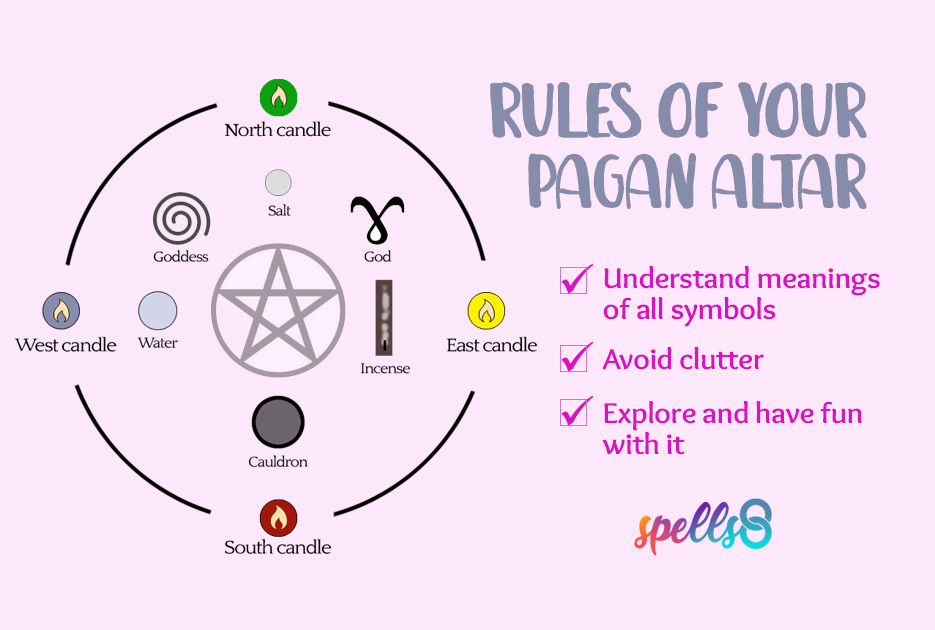
The 4 Elements of the Altar: Core Foundations
Most pagan altars incorporate the four classical elements: Earth, Air, Fire, and Water. These balance energy and represent the natural world.
- Earth (North): Pentacle, salt, stones, crystals, or soil.
- Air (East): Incense, feathers, wand, or athame.
- Fire (South): Candles, lava rocks, or representations of passion.
- Water (West): Chalice, seashells, or bowl of water.
This quaternary structure appears in many traditions and answers “What are the 4 elements of the altar?”
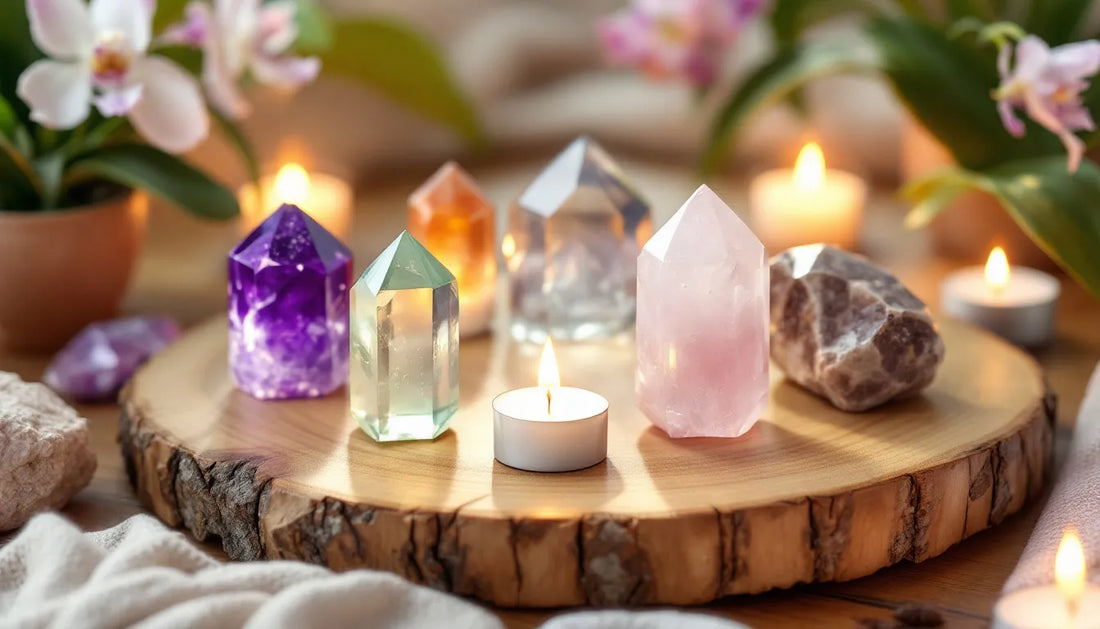
For protection and amplification, add high-quality crystals. Energy Muse offers curated crystal sets ideal for pagan altars.
Which Direction Should a Pagan Altar Face?
Tradition often orients altars toward North (Earth’s stability) or East (dawn and new beginnings). Choices vary:
- Norse pagan altars → North for ancestral strength.
- Celtic pagan altars → East or sacred site alignment.
- Hellenic pagan altars → Deity-specific directions (e.g., East for Apollo).
Prioritize intuition and space constraints.
Types of Spiritual Altars: Exploring Pagan Traditions
Paganism offers diverse altar styles.
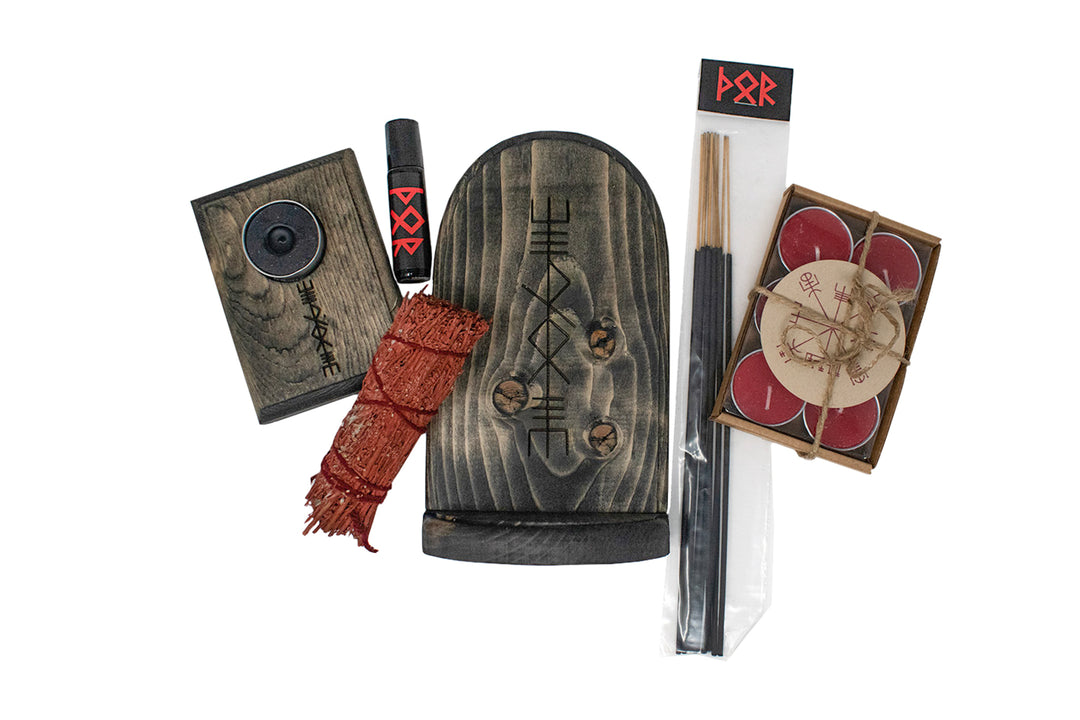
Norse Pagan Altars
Heathen practitioners dedicate these to Aesir/Vanir gods like Odin or Freyja. Include Mjolnir replicas, runes, mead offerings, and evergreens.
Celtic Pagan Altars
Nature-focused with green cloths, seasonal items, stones, and symbols like triskele. Honor Brigid or Cernunnos.

Hellenic Pagan Altars
Dedicated to Greek gods with laurel, olive branches, statues, and wine libations.
Simple Altars Pagan & Spiritual Altars for Beginners
Start minimal: candle, crystal, deity image, and offering bowl. Ideal for closets or discreet practice.
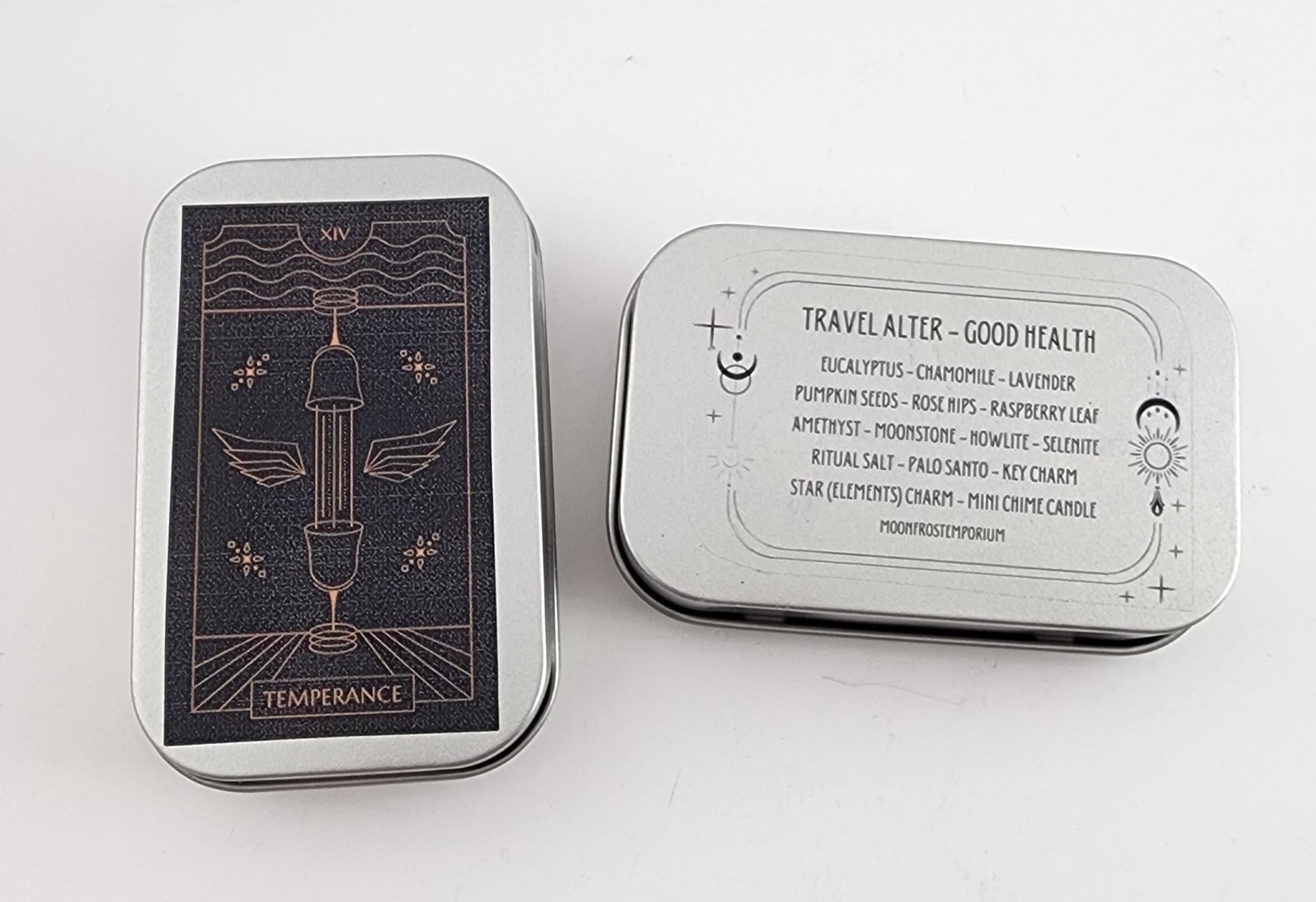
Pocket Altars Pagan
Portable tins with mini crystals, charms, and symbols for travel.
Outdoor Altars Pagan
Built in nature with stone circles or tree offerings.

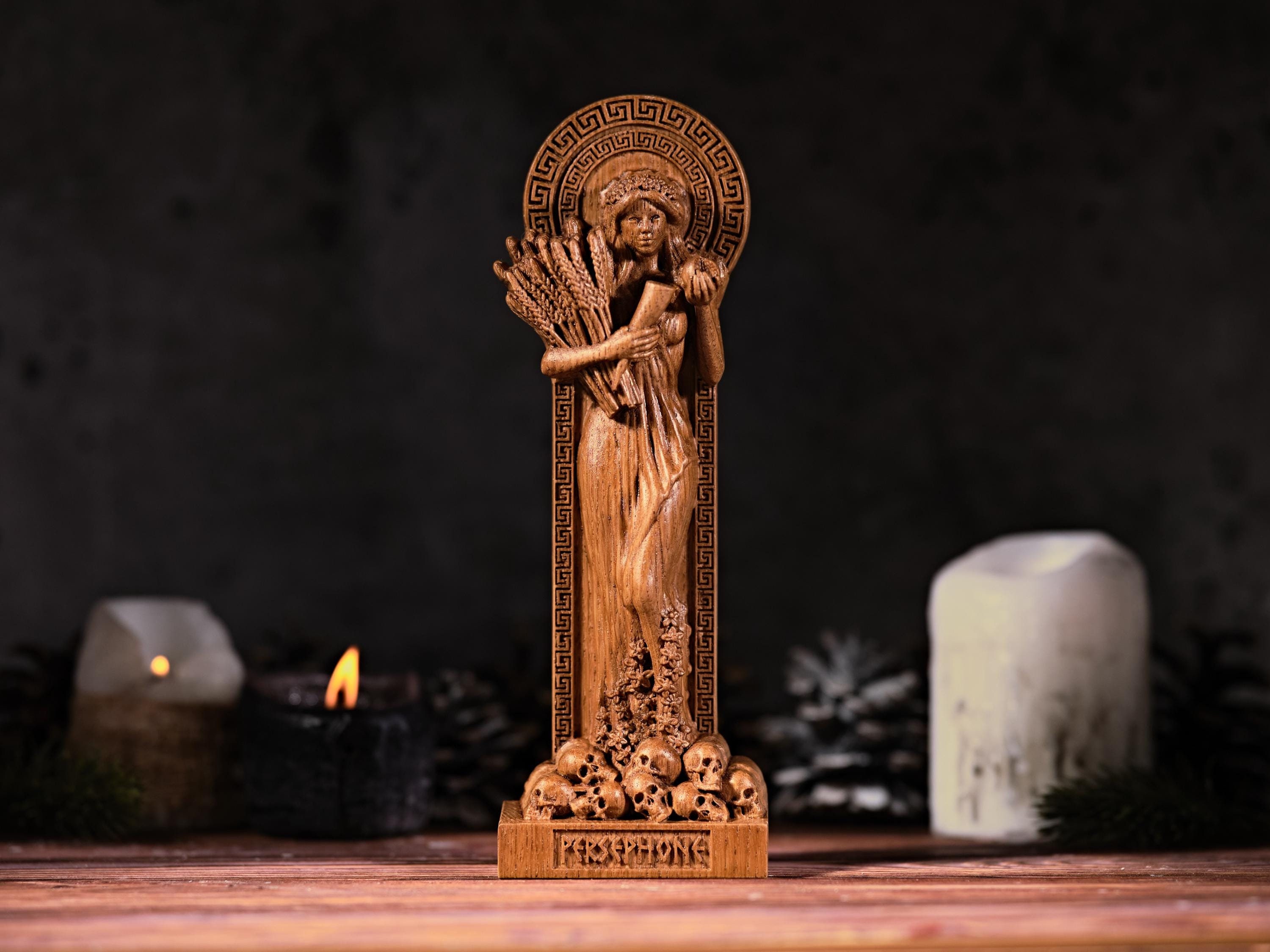
Pagan Statues Altars
Feature deity representations for direct connection.
Making an Altar Witchcraft: Step-by-Step How-To
- Choose location and direction.
- Cleanse with smoke or sound.
- Lay cloth.
- Place elemental representations.
- Add deity symbols or pagan statues.
- Include tools.
- Personalize with photos or herbs.
- Consecrate.
For moon-aligned personalization, try a free moon reading.
Examples of Pagan Rituals at the Altar
- Daily devotion — Light candle and offer thanks.
- Esbats — Full moon spells.
- Sabbats — Seasonal celebrations.
- Blót — Norse offerings.
- Libations — Hellenic pourings.
Real Testimonials: How Pagan Altars Transform Lives
“Setting up my simple pagan altar changed everything. I started with a candle and rose quartz. Within weeks, I felt calmer. Now my Celtic pagan altar with seasonal greens is my sanctuary.” – Emma, Oregon
“As a traveler, pocket altars pagan saved me. My tin with amethyst and runes grounds me anywhere.” – Liam, UK
“My Norse pagan altars brought ancestral strength during hardship. Chanting to Thor shifted my life.” – Astrid, Norway
“I avoided witchcraft but built an altar with divine prayer focus. It brought peace.” – Grace, Texas (Try Divine Prayer guidance.)
Unique Spells and Power Chants for Pagan Altars
Altar Consecration Chant
Circle altar clockwise three times, chant:
“By Earth’s deep roots and Air’s free flight, By Fire’s warm spark and Water’s might, This sacred space I now consecrate, With ancient power, I dedicate. Gods and spirits, hear my call, Bless this altar, one and all. As I will, so mote it be!”
Elemental Awakening Spell
Touch each element:
“Earth awaken, ground my soul, Air inspire, make me whole, Fire transform, burn bright and true, Water cleanse, flow through and through. Elements four, in circle unite, Empower this altar with sacred light!”
Deity Invitation Chant
For pagan statues altars:
“Ancient ones beyond the veil, Hear my voice, my heart’s true tale. [Deity name], come grace this place, With wisdom, love, and boundless grace. Through statue’s form, your presence near, Guide and guard me, year by year.”
Need professional ritual help? Contact Maama Isabella.
FAQ: Pagan Altars
What is a pagan altar? A dedicated space for worship, offerings, and energy work.
What are some examples of pagan rituals? Daily devotions, esbat moon rituals, sabbat celebrations, blót, libations.
Which direction should a pagan altar face? North or East commonly; follow intuition.
What are the 4 elements of the altar? Earth (North), Air (East), Fire (South), Water (West).
Are pagan altars mentioned in the Bible? Yes, as altars to other gods, often condemned.
How do I start making an altar witchcraft? Begin simple—cleanse space, add elements, personalize.
Conclusion: Embracing the Power of Pagan Altars
Pagan altars remain living, breathing centers of spiritual practice. From simple altars pagan for beginners to elaborate Norse pagan altars, Celtic pagan altars, or portable pocket altars pagan, these spaces foster connection, healing, and growth.
They adapt to your path—whether honoring ancestors, working witchcraft, or seeking peace. The four elements, thoughtful direction, and personal touches make every altar unique.
As testimonials show, even small setups transform lives. Enhance with crystals from Energy Muse, moon insights from moon reading, or prayer alternatives via Divine Prayer. For deeper rituals, Maama Isabella offers expert help.
Your altar awaits. Start small, trust intuition, and watch magic unfold.