
In an era where self-empowerment and spiritual exploration are on the rise, practicing witchcraft has emerged as a transformative journey for many. Far from the stereotypes of broomsticks and cauldrons, modern witchcraft is a diverse, personal practice rooted in harnessing natural energies, intention, and ancient wisdom. Whether you’re drawn to witchcraft for beginners or curious about witchcraft practices, this guide offers essential tips and tricks to start your magical path confidently.
Witchcraft isn’t confined to fairy tales—it’s a real, adaptable craft that emphasizes harmony with nature, self-reflection, and ethical magic. As interest surges (with searches for “beginners’ guide to witchcraft free” skyrocketing), more people are discovering its benefits for mental clarity, manifestation, and community. We’ll address common queries like “is witchcraft real,” “can anyone practice witchcraft,” and “what are witches weak against,” while providing practical advice to make your practice meaningful.
If witchcraft feels overwhelming, consider alternatives like the Devine Prayer program, a gentle, faith-based approach to manifestation without ritual elements.

What Is the Practice of Witchcraft? Unpacking the Basics
One of the top questions is, what is the practice of witchcraft? At its core, witchcraft is the art of using intention, rituals, and natural elements to influence change in the world and within oneself. It’s not inherently religious—though many incorporate it into paths like Wicca—but a flexible practice involving spells, divination, and energy work.
Historically, witchcraft dates back to ancient civilizations, evolving from folk magic to modern Neopagan traditions. Today, witchcraft practices include herbalism, tarot reading, and moon rituals, all aimed at personal growth and balance. Unlike organized religions, it’s highly individualistic, allowing practitioners to tailor it to their lives.
For beginners, start with grounding exercises: Sit quietly, visualize roots extending from your feet into the earth, and breathe deeply to connect with universal energy. This foundational step in practicing witchcraft builds intuition and protects against energetic drain.
For historical context, explore Britannica’s Witchcraft Overview.
What Is Someone Who Practices Witchcraft Called? Demystifying Terms
Another frequently asked question: What is someone who practices witchcraft called? Simply, a witch. The term applies to anyone—regardless of gender—who engages in witchcraft. Historically, the word “witch” derives from Old English words like “wicce” (meaning “female”) and “wicca” (meaning “male”), but modern usage is gender-neutral.
Not all witches are Wiccans; Wicca is a specific religion within the broader context of witchcraft, founded in the mid-20th century by Gerald Gardner. Other terms include “warlock” (often misused to mean male witch, but initially implying an oath-breaker) or “sorcerer,” although “witch” is the most inclusive.
If you’re male and wondering, yes—men can be witches too, practicing the same rituals and spells.
Testimonial: “I always felt out of place until I embraced practicing witchcraft. Calling myself a witch empowered me to heal from past traumas. It’s not about labels; it’s about the magic within.” – Jordan M., 29, Artist from Seattle.
What Is the Rule of 3 in Witchcraft? Ethical Foundations
What is the rule of 3 in witchcraft? Also known as the Threefold Law or Law of Return, it states that whatever energy you send out—positive or negative—returns to you threefold. This karmic principle, prominent in Wicca, encourages ethical spellwork: Harm none, and blessings multiply.
Originating from Wiccan texts like the Rede (“An it harm none, do what ye will”), it’s not universal to all witchcraft but a guiding ethic for many. In practice, before casting a spell, reflect: Does this align with goodwill? If not, it could backfire amplified.
Tip: Journal your intentions before the ritual to ensure alignment, enhancing your witchcraft practices.
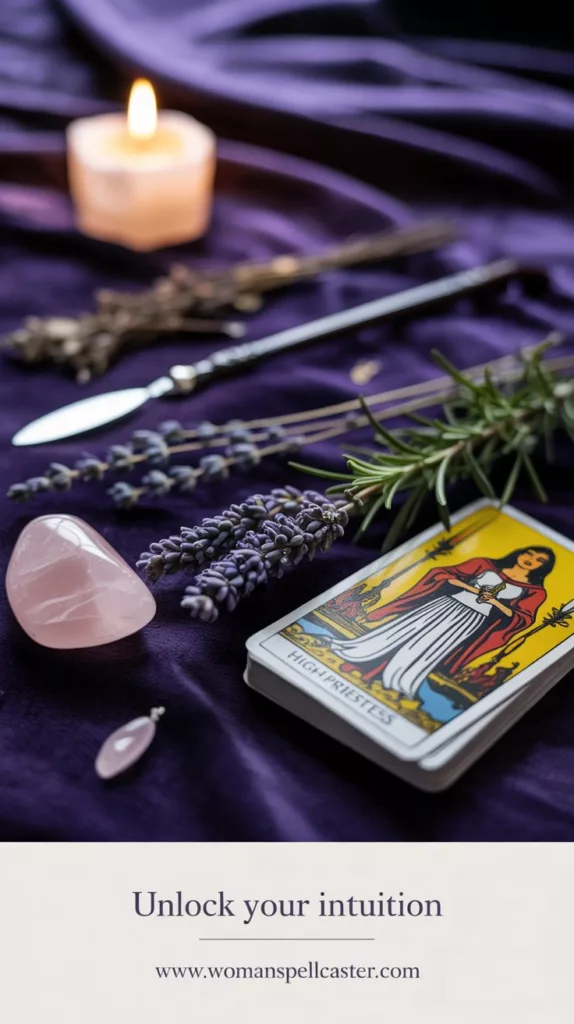
What Are Witches Weak Against? Myths vs. Reality
From folklore to pop culture, what are witches weak against? Traditional tales cite iron, salt, holy water, or herbs like rowan as repellents. In mythology, witches are vulnerable to fire (as in burnings) or knots, which supposedly bind their power.
In modern practicing witchcraft, “weaknesses” are more practical: overexertion can lead to energetic burnout, and skepticism from others may cause doubt. Witches aren’t supernatural beings but humans, so physical vulnerabilities apply—disrupted focus (e.g., via stress) weakens spells.
Protect yourself with wards: Sprinkle salt around your space or carry black tourmaline for shielding.
15 Signs You’re a Witch: Awakening Your Potential
Popular in “People Also Search For,” here are 15 signs you’re a witch—subtle indicators of innate magical affinity:
- Deep connection to nature—plants thrive around you.
- Intuitive dreams or premonitions.
- Sensitivity to moon phases; energy peaks during full moons.
- Animals are drawn to you.
- Unexplained empathy for others’ emotions.
- Love for crystals, herbs, or ancient symbols.
- Family history of healers or intuitives.
- Weather shifts with your mood.
- Vivid imagination manifesting in reality.
- Discomfort in crowded, negative spaces.
- Synchronicities like repeating numbers.
- Healing touch or herbal knowledge.
- Interest in tarot or divination.
- Feeling “different” since childhood.
- Natural ability to manifest desires.
These align with white witch traits, focusing on positive energy. If several resonate, explore witchcraft for beginners.
Testimonial: “Noticing these 15 signs you’re a witch in myself was a revelation. I started small rituals, and my anxiety melted away. Witchcraft gave me purpose.” – Elena S., 35, Yoga Instructor from Austin.
Witchcraft for Beginners: Starting Your Journey
Witchcraft for beginners begins with education and experimentation. Build an altar with basics: a candle (fire), a bowl of water (emotion), a feather (air), and a stone (earth). Research ethics first—avoid hexes until experienced.
Daily tips: Meditate for 10 minutes, stir your intentions into tea, or charge crystals under the moonlight. For timing, get a Moon Reading to align with lunar cycles.
Download a free witchcraft for beginners PDF from Wicca Academy.
Is Witchcraft Real? Science, History, and Personal Proof
Is witchcraft real? Yes, in the sense that it’s a practiced tradition with psychological and communal benefits. Rituals can reduce stress through mindfulness, and manifestation aligns with the principles of positive psychology. Historically, witchcraft trials executed innocents, but modern witches report real results from energy work.
Skeptics see it as a placebo; believers experience synchronicities as proof. Ultimately, its “reality” is subjective—try a simple spell and judge.
Can Anyone Practice Witchcraft? Inclusivity in Magic
Can anyone practice witchcraft? Absolutely—it’s a choice, not a birthright. No special bloodline is required; dedication and open-mindedness are sufficient. From atheists to the religious, anyone can adapt it.
Start with a beginner’s guide to witchcraft for free: Read books like “Witchery: Embrace the Witch Within.”
Types of Witchcraft: Exploring Diverse Paths
Digging deeper, types of witchcraft include:
- Green Witchcraft: Herb-focused, nature-based.
- Kitchen Witchcraft: Magic through cooking.
- Hedge Witchcraft: Astral travel and shamanism.
- Eclectic Witchcraft: Blending traditions.
- Dianic Witchcraft: Female-centered, goddess worship.
- Additionally, there are options like Alexandrian or secular.
Choose based on interests—green witches garden, and kitchen witches bake spells.
Essential Tips and Tricks: Deep Dive into Practical Magic
Beyond the basics, here are advanced tips for practicing witchcraft:
- Tools: Athame (ritual knife), wand, cauldron—start with a cheap or DIY option.
- Spells: For protection, light a black candle and visualize a shield.
- Divination: Use a pendulum for yes-or-no questions.
- Herbalism: Brew chamomile tea for calm; add intent.
- Shadow Work: Journal fears to integrate dark aspects.
- Covens vs. Solitary: Join online groups or practice alone.
- Seasonal Magic: Celebrate the Sabbats like Samhain to honor your ancestors.
- Energy Raising: Dance or chant to build power.
- Astral Projection: Meditate to explore other realms.
- Sigil Magic: Draw symbols, charge with focus.
Incorporate daily:Bless your home with weekly sage smudging.
For guidance, consult Maama Isabella to perform rituals on your behalf.
Testimonial: “As a busy mom, witchcraft practices at home transformed my routine. Simple tricks like moon water for plants brought abundance.” – Tara B., 42, Homemaker from Denver.
For tools, visit Learn Religions.

Potential Challenges and How to Overcome Them
New witches may face doubt or misinformation. Counter with research and community. If uncomfortable, try Devine Prayer for spiritual alignment without witchcraft.
Conclusion: Your Magical Journey Awaits
Practicing witchcraft is an empowering path of self-discovery. From understanding the Rule of Three in witchcraft to exploring various types of witchcraft, this guide equips you for success. Embrace it ethically, and watch transformation unfold.
For lunar insights, try Moon Reading.
Frequently Asked Question
What is the practice of witchcraft?
Witchcraft is the use of intention, rituals, and natural elements to create change, often for personal growth and harmony.
What is someone who practices witchcraft called?
A witch, regardless of gender, is someone who practices witchcraft.
What is the rule of 3 in witchcraft?
The rule states that energy sent out returns threefold, promoting ethical magic.
What are witches weak against?
In folklore, iron or salt; in reality, energetic burnout or doubt.