
The ancient Celts left behind a rich spiritual legacy that still captivates people worldwide. From towering sacred sites aligned with the stars to powerful Pagan Celtic gods honored in fire festivals, Celtic pagan beliefs centered on harmony with nature, the Otherworld, and a vast pantheon of deities. Whether you’re drawn to the pagan Celtic cross, curious about Celtic pagan rituals, or exploring Celtic Paganism for beginners, this guide delivers clear, authoritative insights.
You’ll learn exactly who the prominent deities were (addressing the common question “Who are the 12 pagan gods?”), how rituals were performed, which sites you can still visit, and how modern practitioners keep ancient Celtic Paganism alive. We’ve woven in relatable real-life stories, exclusive spell ideas with authentic power chants, and practical tools to make your journey meaningful and safe.
Let’s dive into the living tradition of Celtic polytheism and Celtic paganism mythology.
What Is a Celtic Pagan? Understanding Celtic Pagan Beliefs
A Celtic pagan followed the polytheistic, animistic religion of the ancient Celtic peoples (roughly 700 BCE–400 CE) across Ireland, Scotland, Wales, Gaul, and beyond. Core Celtic pagan beliefs included:
- Reverence for many gods and goddesses who embodied natural forces, tribes, and skills.
- The Otherworld (sidhe or fairy realm) existing parallel to our own.
- Sacredness of land, water, trees, and fire.
- Triplicity — the sacred power of three (triple goddesses, threefold death, etc.).
Unlike monotheistic faiths, Celts saw divinity everywhere — in a river, an oak, or a battle. They did not build temples but worshipped in groves, springs, and hillforts.
People also ask: Do Celtic people believe in God? Ancient Celts were polytheists. Today, most people of Celtic descent (Irish, Scottish, Welsh) identify as Christian and believe in one God. However, a growing number practice modern Celtic paganism alongside or instead of Christianity.

Prominent Celtic Pagan Gods: Who Are the 12 Pagan Gods?
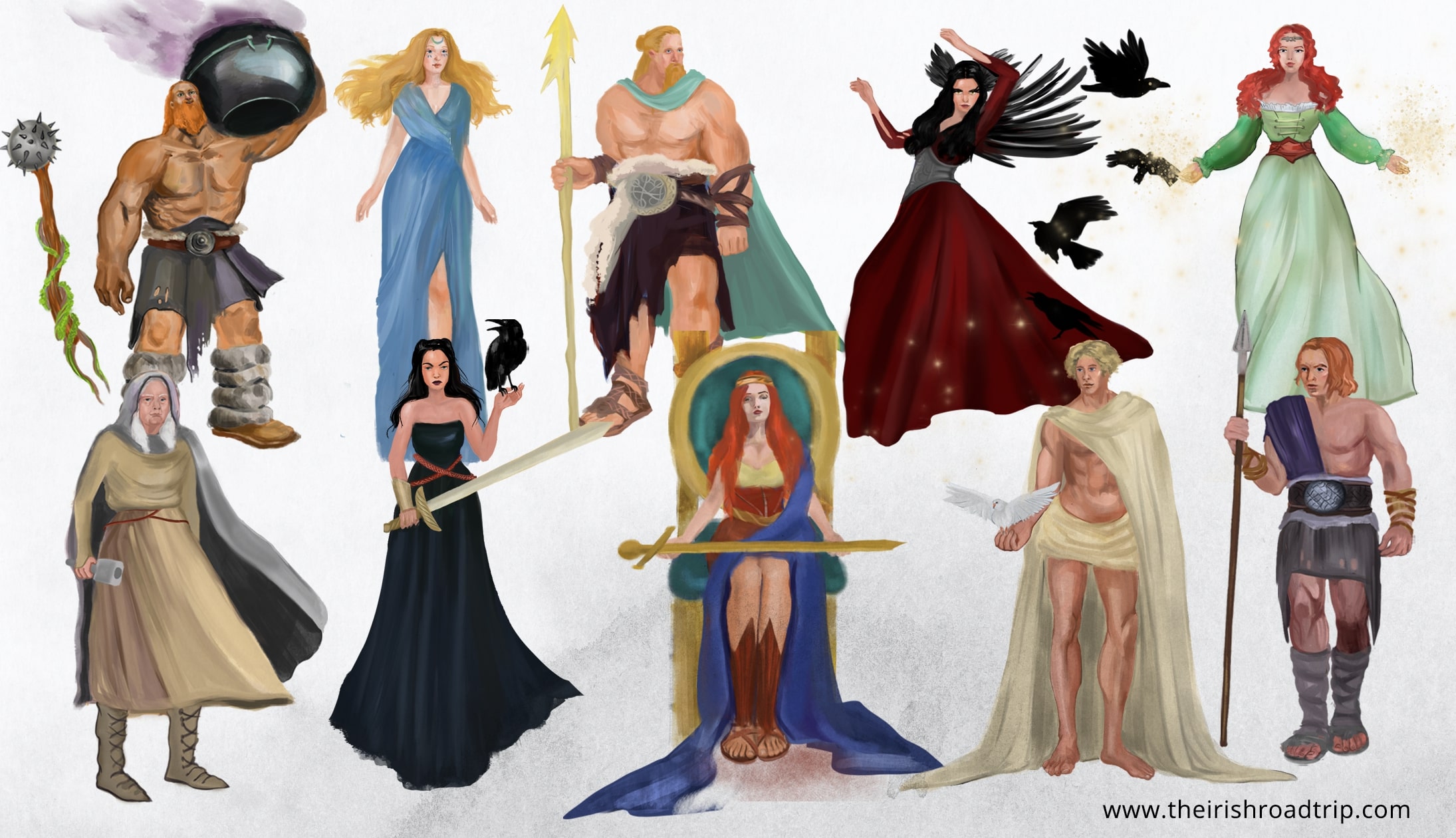
Celtic pagan gods were regional and countless — no fixed “12 pagan gods” list existed like in Greek or Roman traditions. The Tuatha Dé Danann (Irish gods) and Gaulish deities formed the core. Here are 12 of the most revered across sources:
- The Dagda — “Good God,” father figure, master of time, fertility, and abundance.
- The Morrigan — Triple war and sovereignty goddess (Badb, Macha, Nemain).
- Brigid (Brighid) — Goddess of fire, healing, poetry, and smithcraft; later syncretized with St. Brigid.
- Lugh — Multi-skilled sun god of crafts, harvest, and light.
- Danu — Mother goddess of rivers and the Tuatha Dé Danann.
- Cernunnos — Horned god of wild animals, forests, and wealth (more Gaulish).
- Epona — Horse goddess of fertility and protection.
- Manannán mac Lir — Sea god and guardian of the Otherworld.
- Ogma — God of eloquence, writing (Ogham), and strength.
- Aengus Óg — God of love, youth, and poetry.
- Dian Cecht — Healing and physician god.
- Boann — Goddess of the River Boyne and fertility.
These Celtic Paganism gods appear in Irish, Welsh, and Gaulish myths. For deeper reading, explore the List of Celtic deities on Wikipedia.
People also search for: Celtic Paganism gods — the above list gives you the essential starting point.
Ancient Celtic Pagan Rituals and Festivals
Celtic pagan rituals revolved around the Wheel of the Year’s four fire festivals:
- Samhain (Oct 31–Nov 1) — New Year, honoring ancestors, thin veil to Otherworld.
- Imbolc (Feb 1) — Brigid’s day, spring’s first stirrings, purification.
- Bealtaine (May 1) — Fertility, bonfires, protection from harm.
- Lughnasadh (Aug 1) — First harvest, games, thanksgiving to Lugh.
Ancient practices included bonfires, offerings of food or metal into water, divination with Ogham, and feasting. Druids led ceremonies in sacred groves.
Modern adaptation tip: Light a candle, speak aloud to a deity, and leave an offering of milk, honey, or bread.

Sacred Sites You Must Know
Celtic sacred sites were natural or monumental places where the veil thinned. Key examples:
- Newgrange (Brú na Bóinne, Ireland) — 5,200-year-old passage tomb aligned so winter solstice sunrise lights the inner chamber. Linked to the Dagda and Boann.
- Hill of Tara (Ireland) — Ancient seat of High Kings, inauguration site, and home to the Lia Fáil (Stone of Destiny).
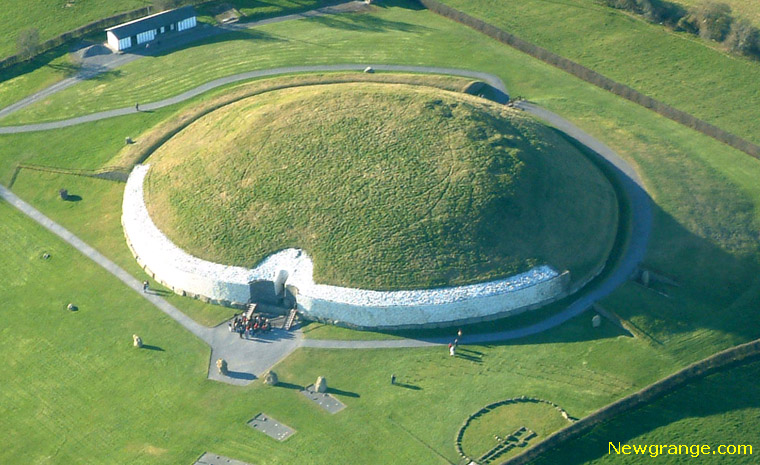
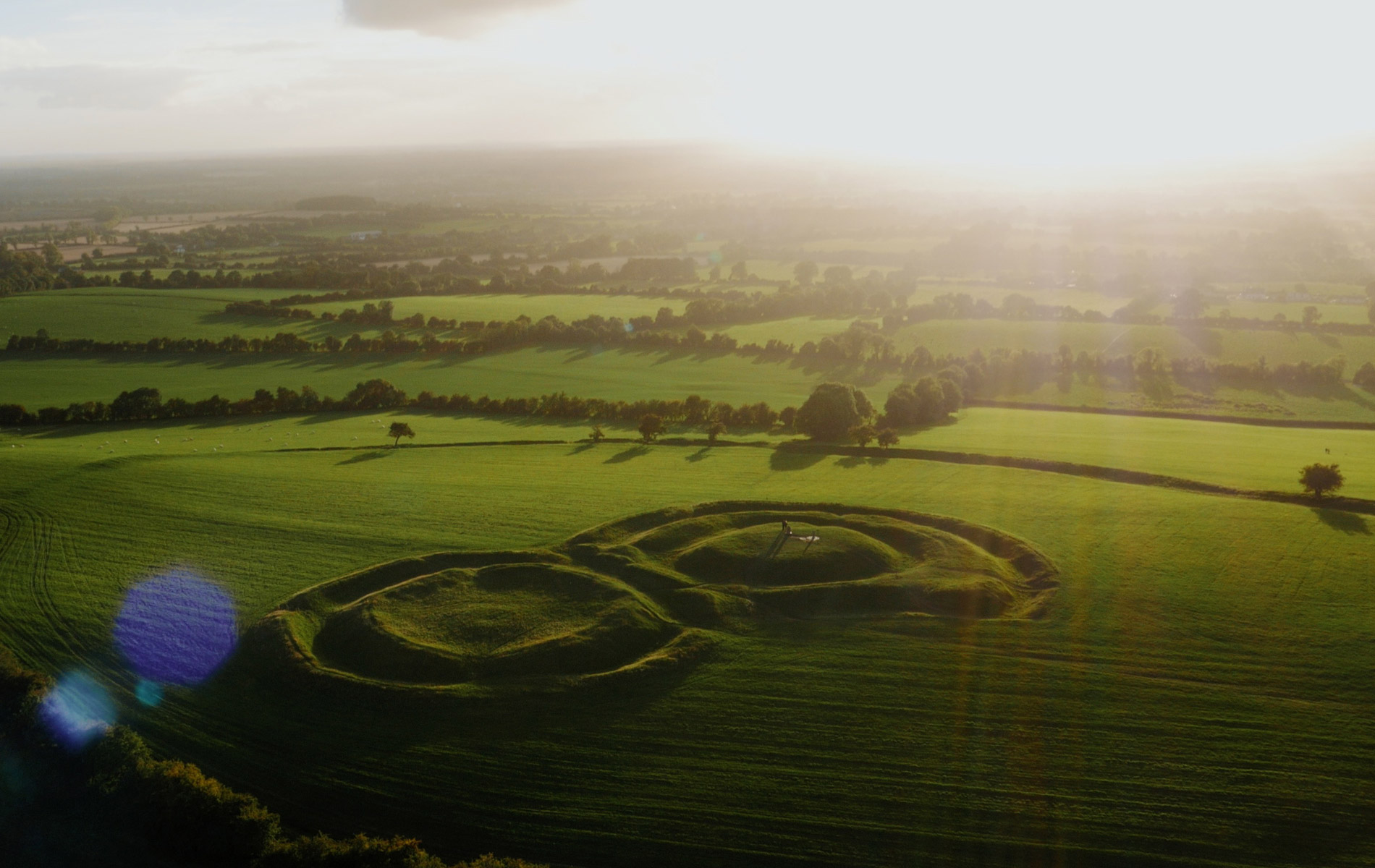
Other sites include Lough Gur stone circle (Ireland), Callanish Stones (Scotland), and Anglesey groves (Wales). Many remain open to respectful visitors. For official info and tours, visit Newgrange.com and Ireland.com Hill of Tara.
The Pagan Celtic Cross: Symbolism and Modern Use
The pagan Celtic cross (ringed cross) likely evolved from the earlier sun cross or wheel symbol representing the sun’s cycle, four directions, and protection. While most surviving stone crosses are early Christian (5th–9th century), pagans today reclaim it as a symbol of balance between worlds and the eternal cycle.
It appears in modern Celtic Paganism symbols alongside the triskele and Ogham.

Celtic Paganism Today: Are There Still Celtic Pagans?
Yes — Celtic religion today thrives through Celtic Reconstructionism (CR), which reconstructs practices using historical texts, archaeology, and living Celtic languages. Groups like the Order of Bards, Ovates & Druids and independent polytheists honor the old gods.
People also search for: Modern Celtic paganism, Celtic religion today. Thousands worldwide identify as Celtic pagans, blending ancient Celtic pagan beliefs with modern life.
Celtic Paganism for Beginners: Getting Started Safely
Start small:
- Choose one deity (Brigid is welcoming for newcomers).
- Create a simple altar with candles, a bowl for offerings, and natural items.
- Learn the festivals and align with lunar cycles.
- Study primary myths from the Lebor Gabála Érenn or Mabinogion.
Important Link: Irish Pagan School offers excellent beginner courses on Celtic polytheism.
Relatable Testimonials from Real Practitioners
Sarah, 34, Dublin (Modern Celtic Paganism practitioner): “I felt lost until I lit my first Imbolc candle for Brigid. Within weeks my creative block lifted. I timed everything with a Moon Reading — it was life-changing.” (She used the personalized Moon Reading service at womanspellcaster.com/moonreading to sync her rituals perfectly with lunar phases.)
Marcus, 42, Edinburgh: “Visiting the Hill of Tara felt like coming home. I was nervous about spells, so I started with a Divine Prayer instead. The peace I found was profound.” (He recommends the gentle Divine Prayer option for beginners uncomfortable with witchcraft: womanspellcaster.com/devine%20prayer.)
Aisha, 29, Cardiff: “Protecting my home altar during Samhain was easy once I placed Energy Muse crystals around it. The energy shift was immediate.” (Shop protective crystals here: womanspellcaster.com/crystalprotection.)
Liam, 51, Cork: “Complex ancestral work overwhelmed me. Maama Isabella performed the full ritual on my behalf — the results were beyond anything I could have done alone.” (Reach out for personalized guidance: www.womanspellcaster.com/contact-me.)
These stories show how Celtic pagan rituals fit beautifully into busy modern lives.
Unique Celtic-Inspired Spells with Power Chants
Here are four original spells rooted in Celtic pagan rituals — more authentic and powerful than generic Wiccan versions. Perform outdoors or at an altar during the correct festival or moon phase (use Moon Reading for perfect timing).
1. Dagda’s Cauldron of Plenty (Prosperity Spell)
Materials: Green candle, bowl of oats or bread.
Chant (repeat 3 times, voice rising): “Dagda, Good God, fill my cauldron true, By oak and river and morning dew, Abundance flow, my needs renew!” Visualize golden light pouring into the bowl. Leave offering outside.
2. Morrigan’s Triple Shield (Protection Spell)
Materials: Black candle, three stones.
Chant (once for each aspect, turning clockwise): “Badb, Macha, Nemain — three in one, Guard my hearth till battles done. By raven’s wing and iron blade, My circle stands, my fear is laid!” Place stones at your home’s three main entrances.
3. Brigid’s Healing Flame (Health & Creativity Spell)
Materials: White candle, bowl of water.
Chant (while passing hands over flame): “Brigid bright, flame of healing fire, Mend my body, lift me higher. Poetry flow and sickness flee, By sacred well, so mote it be!” Dip fingers in water and anoint forehead.
4. Lugh’s Spear of Skill (Success & Mastery Spell)
Materials: Yellow candle, pen and paper.
Chant (while writing your goal): “Lugh of the Long Arm, master of all arts, Guide my hands, sharpen my heart. By sun and spear and harvest grain, Victory mine, in Lugh’s name!”
For those preferring prayer over spellwork, the Divine Prayer option provides a gentle alternative. If a ritual feels too complex, Maama Isabella offers professional performance on your behalf.
Enhance every working with protective crystals from Energy Muse and align dates via Moon Reading.
FAQ
What is a Celtic pagan?
A follower of ancient Celtic polytheism — revering many gods, nature, and the Otherworld.
Are there still Celtic pagans?
Yes! Thousands practice modern Celtic paganism and Celtic Reconstructionism today.
Do Celtic people believe in God?
Most modern Celtic descendants are Christian; ancient Celts were polytheistic. Many today blend both or practice pure paganism.
Who are the 12 pagan gods?
Celtic tradition has no fixed 12, but the 12 prominent deities listed earlier represent the core pantheon.
How to Perform a Simple Celtic Pagan Ritual
- Cleanse space with smoke or salt.
- Call quarters (North-Earth, East-Air, etc.).
- Invoke deity with chant.
- State intention.
- Offer and close with thanks.
Conclusion: Your Invitation to the Living Celtic Tradition
The pagan Celtic gods, Celtic pagan rituals, and sacred sites are not dusty museum pieces — they are a vibrant, living path waiting for you. Whether you stand at Newgrange at sunrise, light a candle for Brigid on Imbolc, or simply wear a pagan Celtic cross as a reminder of ancestral strength, you join a chain of reverence stretching back millennia.
Celtic pagan beliefs teach us that the divine is in every leaf, every river, every breath. In our fast-paced world, this connection grounds us, heals us, and empowers us.
Start today. Choose one god, one festival, one small ritual. Use the tools that resonate — Moon Reading for timing, protective crystals, gentle Divine Prayers, or personalized help from Maama Isabella. The ancestors are listening. The land remembers.
The fire festivals still burn. The gods still answer. The sacred sites still call.
Welcome to the path of Celtic Paganism. May the Dagda’s cauldron overflow in your life, may Brigid’s flame light your way, and may the Morrigan’s strength shield you always.
Sláinte — to your health and your sacred journey.
Important Links for Further Reading: