Demystifying Witch Magic and Practices
In an era where personal empowerment and spiritual exploration are on the rise, witch magic and practices offer a timeless path to self-discovery and transformation. Far from the Hollywood stereotypes of broomsticks and cauldrons, modern witchcraft—often called Wicca or paganism—emphasizes harmony with nature, ethical spellwork, and inner strength. This guide delves into witchcraft practices, answering key questions like “What are the practices of witches?” and “What kind of magic do witches do?” Whether you’re curious about witchcraft rituals and practices or seeking a list of spells for witchcraft, you’ll find valuable insights here.
Witchcraft isn’t about supernatural feats; it’s a spiritual practice rooted in ancient traditions from Europe, Africa, and indigenous cultures worldwide. Practitioners, or witches, use tools like herbs, crystals, and intentions to manifest change. As of 2025, with growing interest in mindfulness and alternative spirituality, witchcraft has surged in popularity—studies show over 1.5 million Americans identify as Wiccan or pagan. If you’re wondering “is witchcraft real?“, consider it as real as meditation or yoga: its power lies in belief, focus, and energy work.
For those hesitant about diving in, try the Devine Prayer program—a gentle, faith-based alternative to attract positivity without traditional spellcasting.

What Are the Practices of Witches? Core Witchcraft Practices Explained
When people ask “What are the practices of witches?“, they’re often referring to daily or ritualistic habits that define witchcraft practices. At its heart, witchcraft involves connecting with natural cycles, such as moon phases and seasons, through meditation, divination, and spellcasting.
Key witchcraft rituals and practices include:
- Sabbats and Esbats: Celebrating eight solar festivals (Sabbats) like Samhain (Halloween) for honoring ancestors, and lunar gatherings (Esbats) for full moon magic.
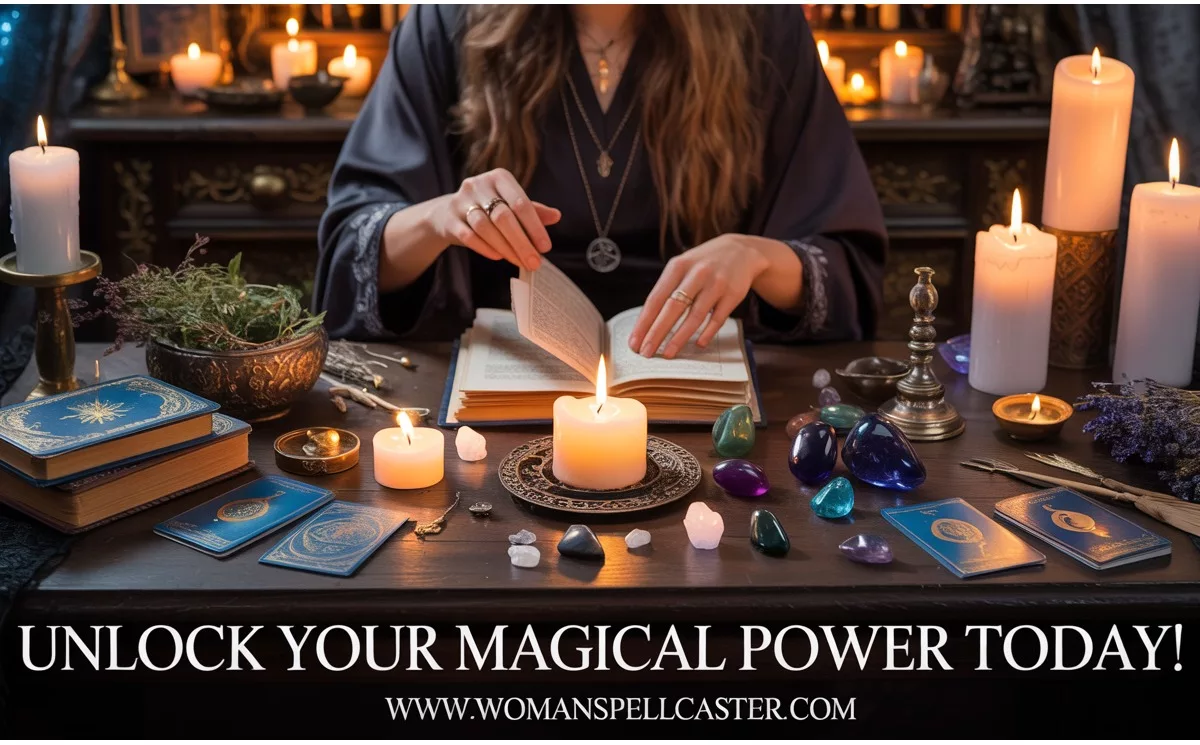
- Altar Work: Creating a sacred space with elemental symbols—earth (crystals), air (incense), fire (candles), water (chalice)—to focus intentions.
- Herbalism and Potion-Making: Using plants like lavender for calm or rosemary for protection in teas, oils, or sachets.
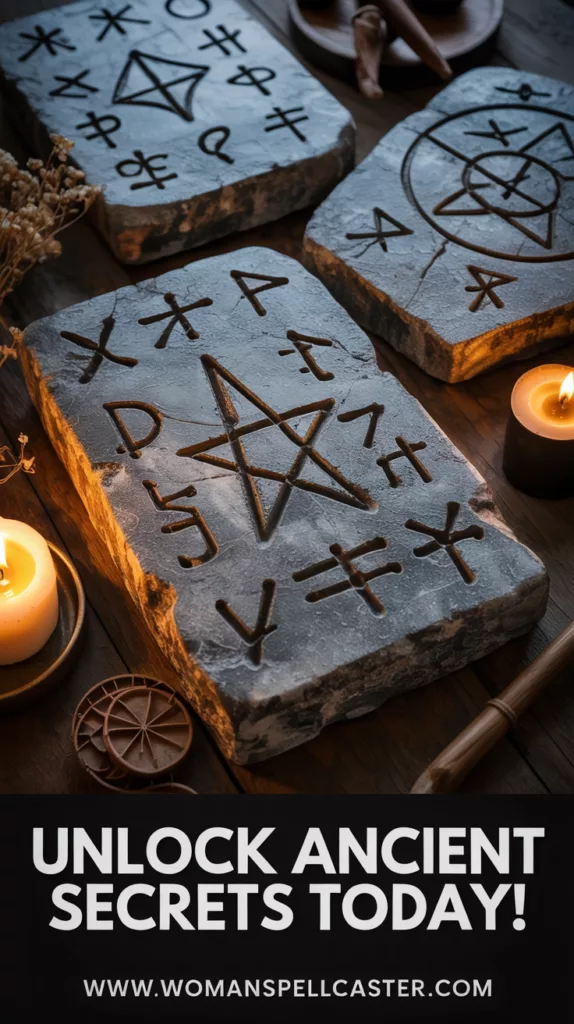
- Divination Tools: Tarot cards, runes, or scrying mirrors to gain insights.
These types of witchcraft practices vary by tradition: Eclectic witches mix styles, while Green witches focus on nature, and Kitchen witches use everyday cooking as magic. Digging deeper, historical texts like the “Malleus Maleficarum” (1487) misrepresented witches, but modern practices draw from reclaimed folklore, emphasizing consent and harm-none ethics.
Testimonial: “As a busy mom, I started with simple witchcraft practices like daily herbal teas. It brought peace amid chaos—suddenly, opportunities flowed, like a promotion I manifested during a full moon ritual. Witchcraft feels like therapy with a magical twist!” – Emily S., 35, Marketing Manager from Seattle.
Important Link: For historical context, explore The Witchcraft Museum – a UK-based resource on ancient artifacts and practices.
What Is the Rule of 3 in Witchcraft? Understanding Ethical Foundations
A cornerstone of witch magic and practices is the “rule of 3 in witchcraft, also known as the Threefold Law. This principle states that whatever energy you send out—positive or negative—returns to you threefold. It’s not karma exactly, but a reminder of responsibility in spellwork.
Originating in Wiccan Rede (“An it harm none, do what ye will”), the rule encourages ethical magic. For instance, avoid curses; instead, focus on protection spells that rebound harm. In practice, witches’ journal intentions are to ensure alignment, preventing unintended consequences.
Deeper insight: In Gardnerian Wicca (founded by Gerald Gardner in the 1950s), this rule ties to quantum energy theories—modern witches blend it with science, viewing spells as focused manifestations influencing probability.
If ethical concerns arise, consult Maama Isabella for guidance—she can perform rituals on your behalf, ensuring positive outcomes.
What Kind of Magic Do Witches Do? Exploring Magical Varieties
Curious about “What kind of magic do witches do?“? Witch magic and practices encompass sympathetic magic (using symbols to influence reality), elemental magic, and sigil work. Common types include:
- Love Magic: Attracting romance through rose quartz rituals.
- Prosperity Magic: Drawing abundance with green candles and cinnamon.
- Healing Magic: Energy work like Reiki-infused spells.
For a list of spells for witchcraft, consider these beginner-friendly ones:
- Protection Spell: Circle salt around your home while chanting, “By earth and sea, protect me.”
- Clarity Spell: Burn sage and visualize fog clearing for decision-making.
- Abundance Spell: Plant basil seeds with intentions for growth.
Witches adapt magic to personal needs, often incorporating astrology—align spells with your lunar sign via a Moon Reading.
Testimonial: “I doubted ‘is witchcraft real?‘ until a simple love spell brought my partner closer. It wasn’t manipulation; it amplified our connection. Now, magic is my daily ritual!” – Jordan M., 29, Artist from New York.
What Are the 4 Pillars of Witchcraft? Building a Strong Foundation
The “4 pillars of witchcraft” form the bedrock of witchcraft rituals and practices: To Know, To Will, To Dare, and To Keep Silent. Coined by occultist Eliphas Levi in the 19th century and adopted in modern Wicca, they guide ethical and effective magic.
- To Know: Study lore, herbs, and astrology for informed practice.
- To Will: Cultivate unwavering intent and visualization.
- To Dare: Take action, like performing rituals boldly.
- To Keep Silent: Maintain discretion to preserve magical energy.
These pillars ensure balanced types of witchcraft practices, preventing misuse. Deeper dive: In ceremonial magic, they align with the four elements, fostering holistic growth.
Important Link: Learn more from The Witches’ Voice – a community hub for pagan resources.
Can Anyone Practice Witchcraft? Inclusivity in Modern Magic
Yes, “can anyone practice witchcraft? Absolutely—witchcraft is accessible to all genders, ages, and backgrounds, requiring only curiosity and respect. No bloodline or initiation needed; start with books like “Wicca: A Guide for the Solitary Practitioner” by Scott Cunningham.
Barriers? Societal stigma persists, but online communities like Reddit’s r/Witchcraft (over 500k members in 2025) offer support. Remember, practice ethically to avoid cultural appropriation—honor origins in African diaspora traditions like Hoodoo.
For beginners: “How to practice magic at home” begins with grounding exercises. Sit quietly, visualize roots extending into the earth, then try a candle meditation for focus.
Testimonial: “As a skeptic engineer, I asked ‘can anyone practice witchcraft?’ and tried home rituals. A protection spell eased my anxiety during a tough project—now, it’s my secret superpower!” – Raj P., 42, Software Engineer from San Francisco.
Types of Witchcraft Practices: From Traditional to Eclectic
Exploring types of witchcraft practices reveals diversity:
- Traditional Witchcraft: Lineage-based, like British Traditional Wicca.
- Hedge Witchcraft: Solitary, nature-focused healing.
- Ceremonial Magic: Ritual-heavy, drawing from Kabbalah.
- Chaos Magic: Experimental, belief-as-tool approach.
Each incorporates witchcraft rituals and practices like circle casting—drawing an energetic boundary for safety. Deeper content: In 2025, tech-witchcraft emerges, using apps for moon tracking or VR for astral projection.
If tech appeals more, the Devine Prayer offers digital-guided meditations for similar benefits.

List of Spells Witchcraft: Practical Examples for Everyday Use
For those seeking a list of spells for witchcraft, here are advanced yet accessible ones:
- Moonlit Intention Spell: During a new moon, write goals on paper, burn it, and scatter ashes.
- Elemental Balance Ritual: Invoke air, fire, water, earth for harmony—use feathers, candles, bowls, and stones.
- Sigil Creation: Draw a symbol from your desire (e.g., “prosperity”), charge it with energy, then forget it to activate.
These build on the 4 pillars of witchcraft, emphasizing will and daring. Pro Tip: Track results in a Book of Shadows journal.
External Link: For spell ideas, visit Llewellyn Worldwide – publishers of witchcraft books since 1901.
How to Practice Magic at Home: Step-by-Step Guide
Step-by-step guide to starting witchcraft practices in your own space.
Total Time: 20 minutes
Step 1:
Set up a dedicated altar with natural elements.
Step 2:
Ground yourself through deep breathing.
Step 3:
Cast a simple spell with focused intention.
Use affirmations like “I attract abundance.
Step 4:
Close the ritual by thanking energies.
Supply:
- Candles, crystals, herbs
Tools:
- Journal for intentions
Incorporate moon phases—get a Moon Reading for personalized timing.
Testimonial: “Living in a tiny apartment, I learned ‘how to practice magic at home‘ with jar spells. One for calm transformed my stressful days—witchcraft is my home sanctuary!” – Lena T., 27, Student from London.
Is Witchcraft Real? Science, History, and Personal Proof
Addressing “Is witchcraft real?”: From a psychological view, spells work via placebo and focus, akin to cognitive behavioral therapy. Historically, witch trials (e.g., Salem, 1692) targeted healers, but archaeology shows ancient amulets as evidence of practices.
In 2025, quantum physics parallels: Intention affects outcomes, per the observer effect. Real? It’s as real as your belief makes it.
For expert help, Maama Isabella offers personalized witchcraft sessions.
Ethical Considerations and Common Misconceptions
Witchcraft promotes harm none, debunking myths of evil. Avoid black magic; focus on empowerment. If overwhelmed, seek communities or professionals.
Conclusion: Unleash Your Power Through Witch Magic and Practices
Witch magic and practices empower you to shape your reality. From witchcraft rituals and practices to the rule of 3 in witchcraft, embrace this path for growth. Start today—your inner witch awaits.
Frequently Asked Questions
What are the practices of witches?
Witches practice rituals like altar work, herbalism, divination, and celebrating moon phases and seasons for harmony and manifestation.
What is the rule of 3 in witchcraft?
The rule of 3 states that energy sent out returns threefold, promoting ethical spellwork.
What kind of magic do witches do?
Witches perform sympathetic, elemental, and sigil magic for love, prosperity, healing, and more.
What are the 4 pillars of witchcraft?
The 4 pillars are To Know, To Will, To Dare, and To Keep Silent, guiding effective and ethical practice.