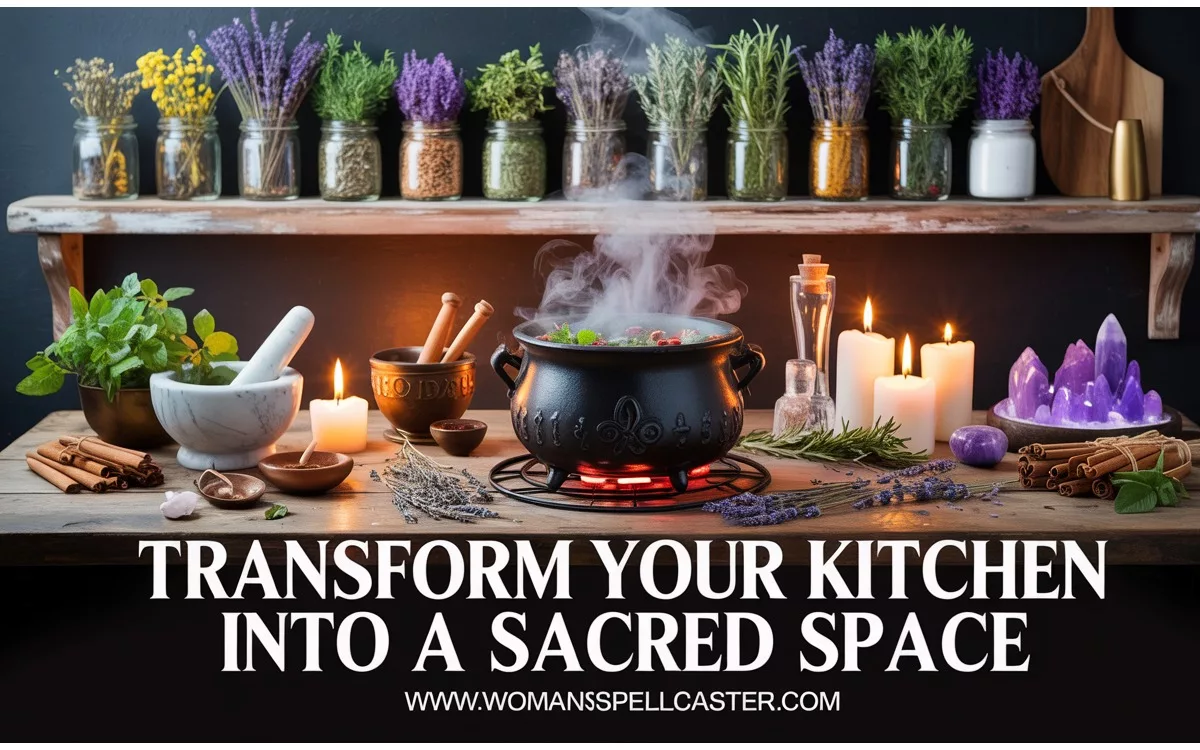
Kitchen witchcraft is more than a trend—it’s a timeless practice that transforms the heart of your home into a sacred space for magic, healing, and nourishment. At its core, kitchen witchcraft involves infusing everyday cooking and baking with intention, using natural ingredients to manifest desires, protect your household, or promote well-being. Whether you’re a novice exploring kitchen witchcraft for beginners or a seasoned practitioner, this guide delves into the enchanting world of kitchen witchcraft, offering practical recipes, spells, and aesthetic ideas to elevate your daily routines.
In an era where self-care and mindfulness reign supreme, kitchen witchcraft appeals to those seeking to blend spirituality with practicality. Imagine stirring a pot of soup while whispering prosperity affirmations, or baking bread imbued with love spells. This form of magic draws from ancient traditions, making it accessible and empowering. If you’re uncomfortable with traditional witchcraft elements, consider the Divine Prayer program as a gentle alternative to invite positive energy through guided affirmations without rituals.

What Is the Meaning of the Kitchen Witch? Unpacking the Symbolism
One of the most searched questions is: What is the meaning of the term ‘kitchen witch’? Historically, a kitchen witch is a homemade doll or poppet resembling a stereotypical witch, often displayed in residential kitchens to bring good luck, prevent cooking mishaps, and ward off negative energy. Originating from Northern European folklore—debated between Scandinavia and Germany—these dolls, sometimes called cottage witches, were hung near the hearth as benevolent guardians. For instance, Norwegian traditions view them as protectors, inherited from early settlers, who ensure harmony in the home.
In modern kitchen witchcraft, the term extends beyond the doll to describe a practitioner—a “kitchen witch”—who performs magic through culinary arts. This witch sees the kitchen as a mystical realm, where tasks like chopping herbs or brewing tea become acts of reverence and intention. The doll symbolizes this practice, often crafted from brooms or spoons, and represents the blend of domesticity and sorcery. If you’re drawn to this icon, search for an original kitchen witch doll or craft your own for added personal magic.
For more on folklore, visit Wikipedia’s Kitchen Witch page for historical insights.
Testimonial: “As a busy mom, I hung a kitchen witch doll in my kitchen on a whim. Suddenly, meals felt more intentional, and family dinners became moments of connection. It’s like she watches over us!” – Elena M., 38, Homemaker from Seattle.
What Is Kitchen Magic Witchery? The Essence of Everyday Enchantment
Addressing another common query: What is kitchen magic witchery? Kitchen magic, or witchery, is the art of weaving spells and rituals into food preparation, using the transformative power of cooking to manifest outcomes. It’s a branch of folk magic where ingredients like herbs, spices, and grains carry symbolic meanings—cinnamon for prosperity, rosemary for protection. Unlike high ceremonial magic, kitchen magic witchery is grounded, intuitive, and accessible, focusing on the hearth as the home’s spiritual center.
Practitioners, often called hearth witches, infuse meals with energy through stirring clockwise for attraction or counterclockwise for banishing. This practice aligns with green witchcraft, emphasizing natural elements. For beginners, start with simple acts: Bless your salt for purification or visualize health while chopping vegetables. Timing matters—align rituals with lunar phases via a personalized Moon Reading to amplify intentions.
What Is the History of Kitchen Witchcraft? From Ancient Hearths to Modern Tables
Delving into the history of kitchen witchcraft reveals roots in ancient civilizations where the hearth was sacred. In cultures such as those of the Greeks, Romans, Celts, and Egyptians, women (and sometimes men) served as herbalists and cooks, using food in rituals for healing and divination. The hearth represented the goddess Hestia (Vesta), symbolizing domestic stability.
During the Middle Ages, “cunning folk” practiced kitchen witchcraft discreetly amid witch hunts, using household items to avoid suspicion. The Industrial Revolution shifted focus, but the 20th-century revival through Wicca and pagan movements brought it back. Scandinavian and German influences popularized the kitchen witch doll in the late 1800s, often gifted to newlyweds for prosperity. Today, kitchen witchcraft thrives in eclectic witchcraft, blending traditions for personal empowerment.
Explore more at Ingebretsen’s Blog on Norwegian Kitchen Witches for cultural depth.

How to Create a Witchy Kitchen? Transforming Your Space into a Magical Haven
Wondering how to create a witchy kitchen? Start by purifying the space with sage smudging or saltwater sprays to clear stagnant energy. Incorporate kitchen witchcraft aesthetic elements: hang-dry herb bundles (rosemary, lavender) from the ceiling for both decor and utility. Use apothecary jars for storing kitchen witchcraft ingredients like sea salt, bay leaves, and cloves—label them with sigils for added magic.
Color scheme matters—deep greens, earthy browns, and mystical purples evoke nature. Add rustic shelves for kitchen witchcraft books and a dedicated altar with candles, crystals (like citrine for abundance), and your kitchen witch doll. For functionality, invest in cast-iron cauldrons or wooden spoons engraved with runes. Organize spices by magical properties: Front row for daily use, like basil (love) and thyme (courage).
Pro Tip: Create zones—a brewing corner for teas and a baking station for kitchen witchcraft baking. If redesigning, opt for eggplant purple cabinets with wrought-iron hardware for a gothic touch, or add botanical wallpaper for whimsy.
Testimonial: “I turned my bland kitchen into a witchy sanctuary with hanging herbs and crystal jars. Now, cooking feels like casting spells—my energy levels soared!” – Jordan P., 29, Artist from Portland.
Get inspiration from Otherworldly Oracle’s Witchy Kitchen Guide for practical setups.
Kitchen Witchcraft for Beginners: Essential Tips and Spells
For those starting with kitchen witchcraft, focus on intention over perfection. Kitchen witchcraft tips include: Always cook mindfully—stir with purpose, taste for energy balance. Build a kitchen witchcraft grimoire—a personal notebook of recipes, correspondences, and outcomes.
Basic kitchen witchcraft spells: For protection, simmer a potpourri of orange peels (joy) and cloves (warding). For love, bake heart-shaped cookies with rosewater. List of kitchen witch spells:
- Prosperity Brew: Boil cinnamon sticks and coins in water, strain, and sip while visualizing wealth.
- Healing Salve: Infuse olive oil with calendula for minor cuts.
- Banishing Spray: Mix vinegar, salt, and lemon for cleansing counters.
Dig deeper: In advanced practices, align with elements—fire for baking transformations, water for emotional healing in soups.

Kitchen Witchcraft Herbs and Ingredients: Building Your Magical Pantry
Kitchen witchcraft herbs are the backbone of this practice. Stock essentials like:
- Rosemary: Memory and protection.
- Basil: Love and wealth.
- Sage: Cleansing (avoid overharvesting; use ethically sourced).
- Lavender: Calm and sleep.
Kitchen witchcraft ingredients extend to grains (oats for grounding), fruits (apples for wisdom), and spices (nutmeg for luck). Source organically to honor the earth. For a kitchen witchcraft grimoire, note correspondences: Moon phases for planting herbs, astrological ties for potency.
Unique Tip: Create infused oils—steep garlic (protection) in oil for savory spells.
Kitchen Witchcraft Recipes: Soups, Baking, and More
Dive into kitchen witchcraft recipes with these enchanting examples.
Kitchen Witchcraft Recipes Soup: Prosperity Lentil Soup
Ingredients: Lentils (abundance), carrots (vision), onions (layers of protection), thyme (courage).
Steps: Sauté onions clockwise for attraction. Simmer with intentions: “Wealth flows like this broth.” Serves 4. This soup draws from Celtic traditions for sustenance magic.
Kitchen Witchcraft Baking: Love-Infused Banana Bread
Mix bananas (fertility), walnuts (intelligence), and cinnamon (speed). Bake while chanting: “Sweetness bind, love we find.” Inspired by Hoodoo baking rituals.
More Recipes:
- Energy-Boosting Herbal Tea: Chamomile and peppermint for calm, focused energy.
- Protection Pie: Apple filling with clove spikes.
For vegan options, try pumpkin spice smoothies for prosperity—blend pumpkin (harvest), nutmeg, and almond milk.
Check The Wholesome Witch’s Recipes for more ideas.
Testimonial: “My kitchen witchcraft recipe soup became a family ritual. After making protection broth, we felt safer during tough times—pure magic!” – Sophia R., 45, Teacher from Boston.
How to Make Prosperity Lentil Soup in Kitchen Witchcraft
A magical kitchen witchcraft recipe soup for abundance using intentional ingredients.
Total Time: 45 minutes
Step 1:
Gather lentils, carrots, onions, thyme, and set the intention for wealth.
Step 2:
Sauté onions clockwise to attract positive energy.
Step 3:
Simmer ingredients while visualizing prosperity.
Step 4:
Serve with affirmations for manifestation.
Supply:
- Lentils and herbs
Tools:
- Pot and wooden spoon
Kitchen Witchcraft Aesthetic and the Iconic Kitchen Witch Doll
The kitchen witchcraft aesthetic blends rustic charm with mystical allure—think moon-phase wall art, potion bottles, and herb gardens. Incorporate a Kitchen Witch Doll as a focal point; these poppets, often on brooms, symbolize good fortune. Search for original kitchen witch doll variants on Etsy for handmade authenticity.
Kitchen Witch Poem (Creative Original):
In the hearth’s warm glow, where potions brew,
The kitchen witch stirs with magic true.
Herbs whisper secrets, spices sing,
Abundance and joy, to all she brings.

Recommended Kitchen Witchcraft Books for Your Grimoire
Build your library with top kitchen witchcraft books:
- “The Hearth Witch’s Compendium” by Anna Franklin: Magical living with recipes. Get it on Amazon
- “The Book of Kitchen Witchery” by Cerridwen Greenleaf: Spells and rituals. Find it on Amazon
- “Kitchen Witch” by Sarah Robinson: Folklore and healing. Get it on Amazon
These texts offer grimoire-building tips, from sigils to seasonal menus.
Additional link: Browse Goodreads’ Kitchen Witch Shelf for reviews.
Advanced Kitchen Witchcraft Tips: Digging Deeper into the Craft
Beyond basics, explore seasonal kitchen witchcraft spells—Samhain stews for ancestor honoring, Yule breads for renewal. Incorporate divination: Read tea leaves post-brew or scry in soup bubbles. Ethical sourcing: Grow your own herbs to connect with earth spirits.
For complex rituals, consult Maama Isabella to perform witchcraft on your behalf, ensuring safe, expert guidance.
Conclusion: Stirring Magic into Your Daily Life
Kitchen witchcraft empowers you to turn mundane meals into magical experiences, fostering abundance, health, and harmony. From kitchen witchcraft recipes to aesthetic transformations, this practice is versatile and rewarding. Experiment, journal in your grimoire, and watch your life enchant.
If spells feel overwhelming, try Divine Prayer for spiritual alignment.
Frequently Asked Questions
What is the meaning of the kitchen witch?
A kitchen witch is a doll or practitioner who infuses cooking with magic for protection and luck in the home.
What is kitchen magic witchery?
Kitchen magic witchery involves using food preparation for spells, intentions, and daily-life rituals.
What is the history of kitchen witchcraft?
Kitchen witchcraft traces back to ancient hearths in Greek, Roman, and Celtic cultures, evolving through European folklore.
How to create a witchy kitchen?
Purify the space, add herbs, apothecary jars, and mystical decor, such as purple cabinets and crystal accents.